
GovAuctions Research
TAKEN
9,122 items that were seized, impounded, or forfeited by the government, and that anyone can bid on.

Exhibit A
2023 Chevrolet Corvette 2LT Coupe
Preble County Sheriff's Office, OH. Listed for open public bidding, on the same platform that sells the county's old filing cabinets.
Guns, cash and booze
A shotgun, a stack of silver and 2,556 bottles
Three agencies, three states, all up for public bidding within weeks of each other.
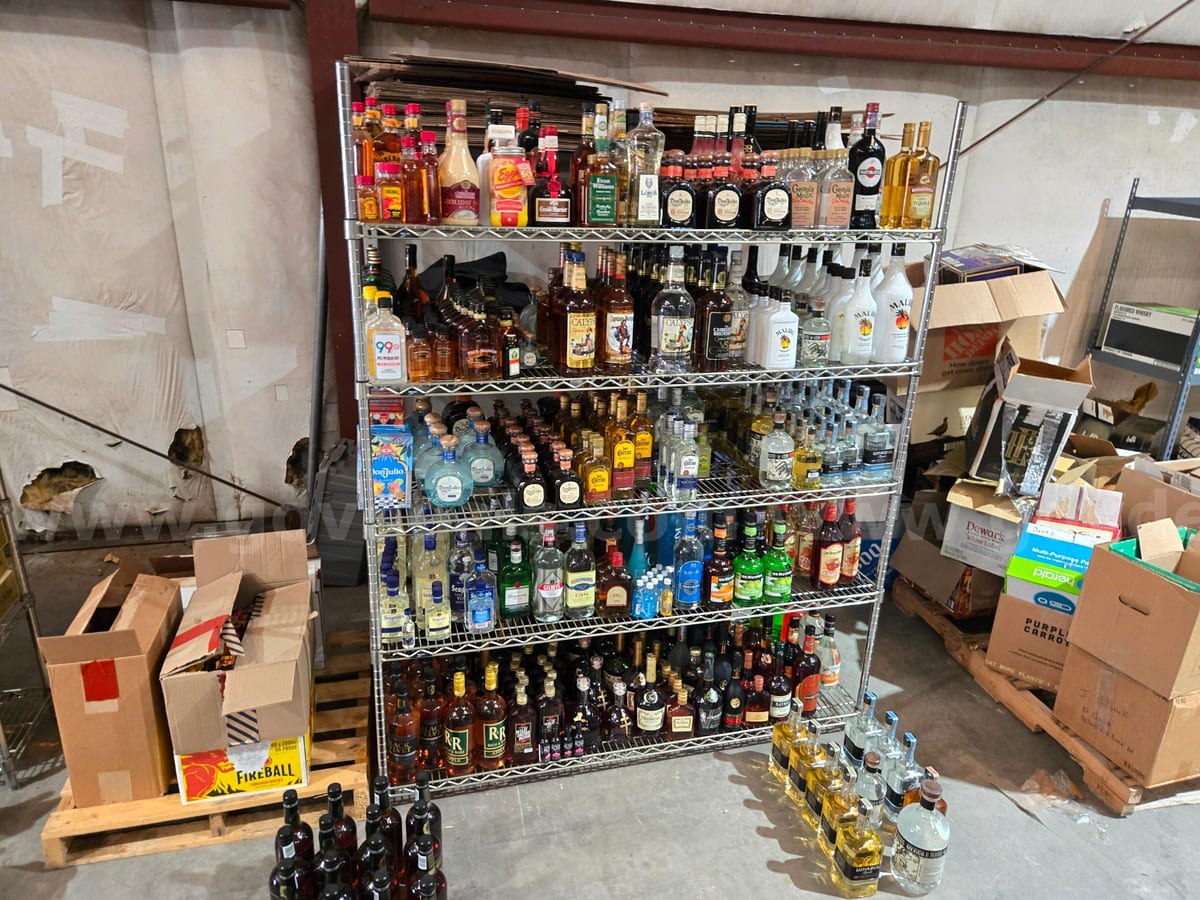
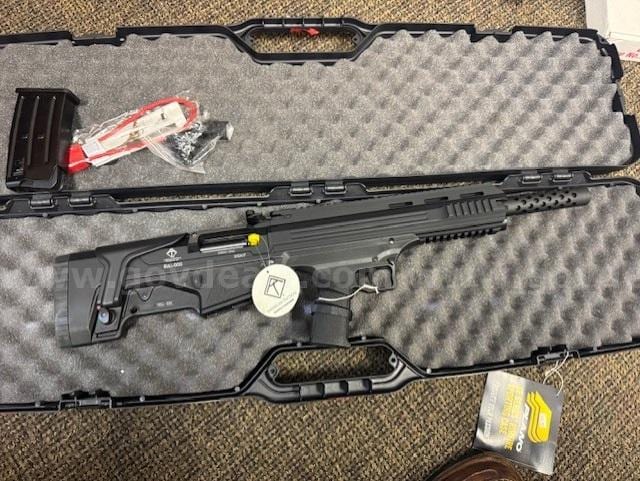
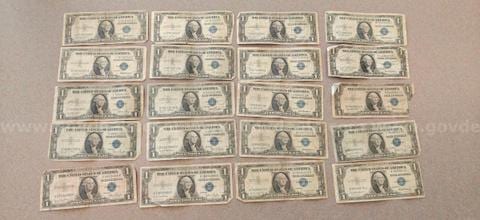
What the police are holding
Property that sat in a law-enforcement property room: taken during an investigation, recovered as stolen and never claimed back, or handed in and never collected. Once a department is cleared to release it, it goes to public auction, often through the same platforms that sell surplus office chairs.
A seizure is not a conviction, and a listing is not a criminal record. Nothing here states or implies that any person was charged with or committed an offence.


Taken by federal agencies
Property taken by federal agencies and sold through the contractors that run their sales: U.S. Marshals Service forfeiture auctions, Customs and Border Protection vehicle sales, Treasury forfeiture real estate, and the occasional IRS tax seizure. The same agencies also sell their own used printers and fleet cars. Those are left out; a federal lot counts here only when the sale or the listing says it was seized.
Most of these sales follow a completed forfeiture, but a listing rarely says so, and some border vehicles were abandoned to the government rather than forfeited. An IRS seizure is tax collection, not a criminal case. Nothing here says anything about the previous owner.
Towed, and never collected
A car gets towed. The storage bill runs. After the waiting period a state's abandoned-vehicle statute lets whoever is holding it sell the thing to recover the tow and the storage. This is the largest single population of taken property on the site, and it is almost entirely cars.
Most sellers in this section are private tow and impound operators acting under state law, not government agencies. The vehicle was not seized as evidence.


Nobody took this. Somebody forgot it
When a safe deposit box goes unpaid or an account sits dormant for years, the contents escheat to the state, which becomes custodian. State comptrollers hold what they can and auction the rest, which is why Texas and Maryland are quietly two of the biggest sellers of estate gold in the country.
This property was never seized. The original owner (or their heirs) can generally still claim the sale proceeds from the state, in most states indefinitely.


The land itself
Property taxes go unpaid, and eventually the county takes the parcel or sells the lien against it. These are the tax deeds, tax certificates and sheriff's sales: the largest dollar value on this page by a wide margin, and the least photogenic.
Many of these are redeemable: the owner can still pay the debt and reclaim the property within a statutory window. Buying the certificate is not the same as buying the house.

What actually happened to each of these things
Seized
An agency took custody of it. Property is seized as evidence, as part of an investigation, or in a civil matter where nobody is ever charged. Seizure is not conviction, and it is frequently temporary.
Forfeited
Ownership actually changed hands, through a legal proceeding. Criminal forfeiture follows a conviction and is part of the sentence. Civil forfeiture is a case brought against the object itself, needs no conviction, and is the version that draws sustained criticism from across the political spectrum.
Impounded
Towed and stored, usually for a parking or registration matter, and then never picked up. State abandoned-vehicle statutes let the holder sell it to recover the bill. Ordinary debt collection, not law enforcement.
Unclaimed
Never taken from anyone. An account went dormant or a safe deposit box went unpaid, and the state became custodian under escheat law. In most states the owner or their heirs can still claim the proceeds after the sale.
We classify each lot by the only evidence available: what the selling agency wrote in the listing. Where a listing does not say, we leave the lot out rather than guess. Notably, only 2 live lots describe an explicit forfeiture proceeding, because agencies rarely spell out the legal route in a sales listing. The true forfeiture number is certainly higher than that; it simply is not written down. The federal seizure sales are counted separately above: most of those follow a forfeiture too, but the listings do not say which.
Method
Drawn live from every currently-active U.S. government surplus and public-auction listing we track. A lot enters this page only when its title, its description or its seller identifies the legal route it took to auction: a police property room, a federal seizure sale, an impound yard, a state unclaimed-property division, a tax deed sale. A federal agency's lot counts only when the sale itself is a seizure sale (U.S. Marshals, CBP and Treasury forfeiture auctions) or the listing says the item was seized; the same agencies' used office equipment and fleet vehicles are left out.
“In live bids” sums current bids, which is a floor and not a forecast. Counts move as lots close and new ones post; the page refreshes hourly.
Free to cite with attribution to GovAuctions. See also what your state government is selling and what it can't give away.