Land Auctions Near Me: Government Lots, Parcels & Acreage
Vacant land reaches auction through a different route from houses. Counties dispose of tax-forfeited parcels, municipalities sell surplus rights-of-way and infill lots, and federal agencies release land they no longer need, which is why the cheapest listings on this site are almost always land.
Search all 8,486 land and parcel listings near you
Filter surplus lots, parcels and acreage by state
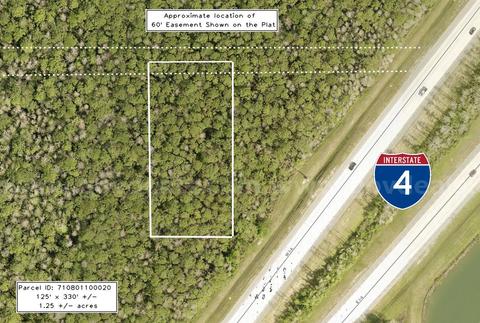
A rare 1.25 ± acre parcel right off I-4, between Orlando and Daytona Beach - No Reserve
DeLand, FL · 60 bids

20.0 +/- Acre Parcel w/House & Garage at 4593 Lackson Rd, South Range, WI
South Range, WI · 54 bids
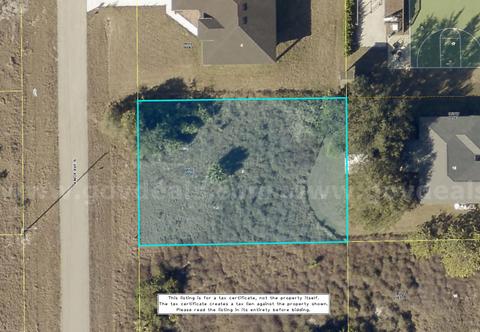
Matured Tax Lien Certificate #2423915 - Lehigh Acres, Lee County, FL - No reserve.
Lehigh Acres, FL · 46 bids

2.196 +/- Acre Open Vacant Parcel near State Hwy 23 on Division Rd, Glenbeulah, WI
· 32 bids
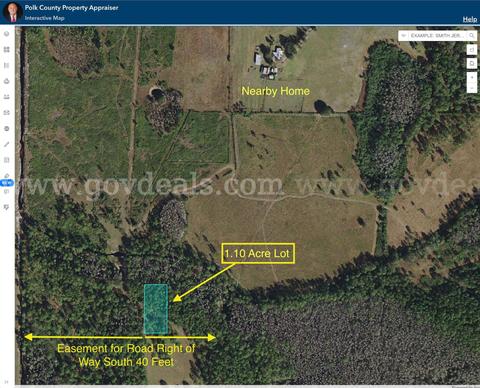
1.10 Acre Polk County Florida No Reserve
Polk City, FL · 23 bids

NO RESERVE - 20 Acres in Pontotoc County, MS
Pontotoc, MS · 19 bids
Tract 132: Town of ARROWHEAD, Parcel 225-0080-00310, D22250254
Duluth, MN · 17 bids

3.562 +/- Acre Vacant Commercial Parcel near the Hwy 45 & Hwy 116 Intersection on County Road S, Winneconne, WI
Winneconne, WI · 15 bids
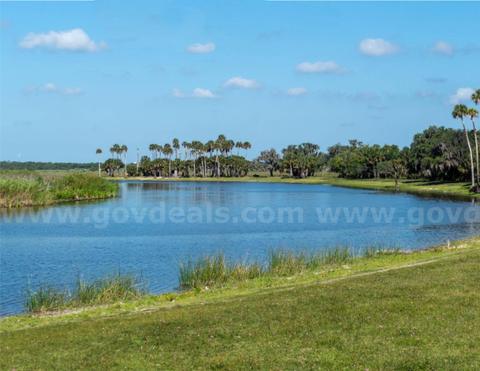
Osteen, Florida - Res Lot near Lake Doyle
Osteen, FL · 13 bids
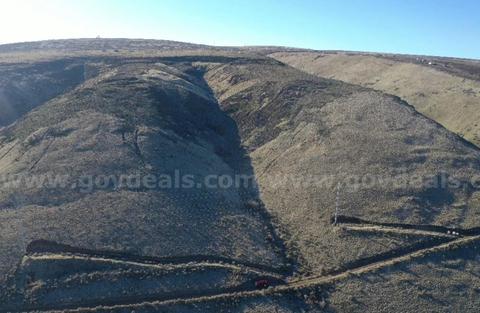
6.6 Acre Property in Yakima County Washington!
Yakima, WA · 11 bids
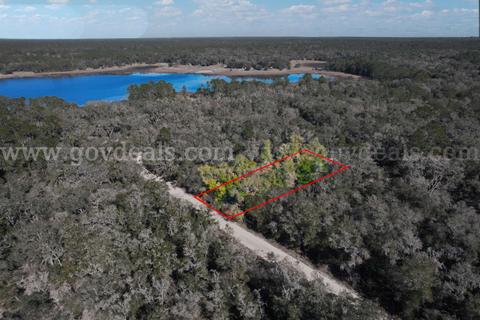
.26 Acre Buildable R2 Residential lot of land in Hawthorne FL- Price Reduced!
Hawthorne, FL · 9 bids
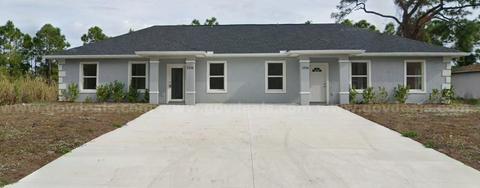
Tax Lien Certificate Sale - 5336/5338 29TH ST SW., LEHIGH ACRES, FL 33973
Teaneck, NJ · 8 bids
8486 active land listings nationwide right now.Last updated: 2026-09-13
Land is the category where the listing tells you the least and the county records tell you the most. A parcel can be landlocked, unbuildable, in a floodplain, subject to an easement, or carry unpaid assessments that survive the sale, and none of that is necessarily on the auction page. Treat every listing here as a pointer to a parcel number you then look up with the county assessor, the recorder and the local zoning office before you bid. Done properly this is a genuinely cheap way to buy land. Done on the listing alone it is how people end up owning a strip they can never reach.
Browse by State
Pick your state to jump straight to listings from sellers near you. Counts are active listings, updated hourly.
Related Guides
More Auctions Near You
Frequently Asked Questions
- How do I find land auctions near me?
- Filter to real estate on GovAuctions.app and set your state or a radius. The feed gathers county tax-forfeited parcels, municipal surplus lots and federal land disposals into one list. Land is not collected in the way other lots are, so distance matters here for a different reason: local knowledge, access and the ability to walk the parcel before you bid are what separate a good buy from a bad one.
- Who sells land at government auction?
- Mostly counties disposing of tax-forfeited parcels, which is the largest source by volume. Alongside that, municipalities sell surplus land left over from road projects, infill lots and closed rights-of-way; state agencies release land no longer needed for a public purpose; and federal agencies including the GSA sell surplus real property. The seller determines the sale terms, and they differ substantially between a tax sale and a straightforward surplus disposal.
- Why is some auction land so cheap?
- Sometimes because the county wants it back on the tax roll and prices to clear. Often because something is wrong with it. The common problems are no legal road access, a size or shape that fails local zoning minimums, wetlands or floodplain designation, steep or unbuildable terrain, easements crossing the parcel, and assessments or liens that are not extinguished by the sale. A very low price is information, not a bargain, and it is the signal to do the parcel research before bidding rather than after.
- What should I check before bidding on a parcel?
- Pull the parcel number and check it with the county assessor for size, assessed value and tax status; with the recorder for easements, liens and the deed history; and with the zoning or planning office for what may actually be built. Confirm legal road access rather than assuming a road on a map is public, check flood maps, and find out what type of deed conveys, because a tax deed and a warranty deed give you very different protection. If you can, walk it. Most costly surprises in this category are visible from the ground.